Friday, May 15, 2026

Una lista de Books en English y en Spanish to use in Elementary Music Class

One special opportunity we have when teaching music is to help students connect speech and literacy (which can feel challenging for some students in traditional academic settings) to something they love--music!  Children's books can allow us to do that while also integrating visual art into the overall experience, which can not only help engage students but also affirm their cultural and linguistic identities.  These are some of my favorite bilingual selections along with helpful links.

Beautiful books in English and Spanish for your music lessons (Part 1)!

Baby Chicks Sing, The / Los pollitos dicen

 (PK-2nd) 

This is a great tool for early childhood because the title song is nearly universally known by Spanish-speaking populations, and for children to see their culture represented early on helps support their positive identify formation and bi/multilingual development.

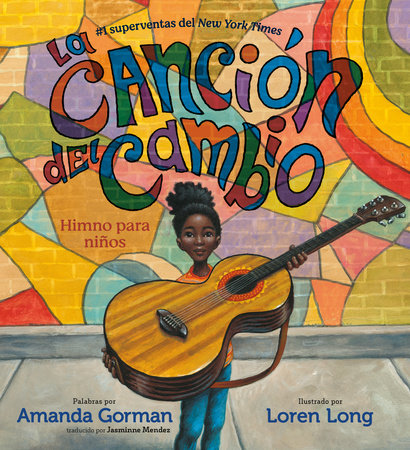
 Change Sings by Amanda Gorman

La canción del cambio

(PK-5th)  

This book has been an excellent addition to classrooms and libraries everywhere, and an edition in Spanish allows for further cultural affirmation along with possibilities for connections to Spanish Language Arts (poetry and lyrics).  I usually use it to start discussions about how Dr. King's legacy inspires the characters / us, community murals, musical instruments, imagination, and music as a gift.

Sing with Me ~ Canta conmigo 

(PK-2nd)   

This book has come to be very useful in my Kinder lessons and for lower elementary Special education classes.  Verbal and non-verbal students have flipped through it and selected the song they want, and I sing it as they strum my ukulele and invite them to sing.  The translations provided are whimsical and the illustrations are very appealing to kids.

What Can You Do With A Paleta?

(PK-3rd)  

This book is as cute as it is culturally relevant and full of potential interactive activities to offer students.  Here are two examples of musical extension activities:

 1) Using colorful popsicle sticks, go over colors in English and Spanish, an play a rhythm stick game such as rhythm echoes, "Tapping on My Sticks" and/or "Cho-co-la-te."

 2) Allow students to each try an accordion (which is mentioned in the book).  There are some child accordions for $20 or less out there, and for most Latine children it will be a meaningful and culturally affirming experience.


Finding the Music / En Pos de la Musica 

(PK-4th)  

I love the way this book portrays the main character's journey of musical/cultural/personal identity and the importance of music in the lives of many kids of people in the community.  I've used it in lessons about mariachi music or when teaching a folk song such as "De colores."


____________________________________________________
Have you shared any of these books or have move to add to this list?  Let us know!


Labels: , , , , , , , , , , , , , , , ,

Thursday, April 16, 2026

Un Survey Bilingüe to get to Know Your Students

Great teachers get to know their students.  We can integrate opportunities for students to share in our lessons, but it never feels like enough time to gather the kind of information that could help us plan amazing culturally responsive / affirming lessons.  School events where our students' adults are present seldom occur, and those of us who work at multiple sites (and travel significantly between locations) are unable to be present enough to have the kind of meaningful interactions that would allow us to communicate to them that we truly values their input and partnership in their child's education.

I created a free, fun short anonymous survey in English and Spanish that you can print and distribute to students or to their classroom teachers (to put in their take-home folders).  It's anonymous to make sure folks are comfortable sharing and also so that they know that we are grateful for anything they are willing to contribute to our knowledge of our students. 

The file allows you to print the survey on two sides of a sheet to create two surveys that include both language options.

Students will feel more connected to you and light up when you mention something you learned about them, maybe something you have in common with them, or when you use a song or other media they shared with you in the survey.
 

To encourage participation, you can display the survey to the students and answer the questions yourself first! Good luck and I hope this survey supports the magic you create in your music classes!


____________________________________________________
Did you try this lesson planning tool?  Let us know how it went!


Labels: , , , , , , , , , ,

Saturday, March 21, 2026

Unos units de música y arte for Kindergarten

 🎨 Música y artes visuales


In many places where we teach music, we are the only arts education students are provided.  This means that whenever we can integrate other art forms, such as visual arts or theater, we should (if we have access to materials).  The kits used are from discount school supply, which also offers kits for making/decorating our own maracas, wind chimes, and rainsticks.

Here are outlines of two four-class units I completed with my after-school Kindergarten group.  These students are mostly bilingual and many are English Language learners.  They loved being able to create/personalize among their peers as well as to make music with and keep these instruments!


Al tambor

Song: "Al tambor" (recording/video by José Luis Orozco)

Story: Drum Dream Girl by Margarita Engle


Art activity: make/decorate your own drum!

Materials:  Set of 12 drum-making kitspaint sticks, markers, stickers


Day 1: Share Drum Dream Girl video read aloud (there is also a lovely version on Epic! Books), show videos of soloists playing bongos, congas, and timbales.  Begin teaching "Al Tambor" and have students take turns playing solos.

Day 2:  Re-share book reading it yourself to the students, stopping to discuss the conflict and to identify all the instruments in the illustrations.  Announce we will make/decorate our own drums next time.  Provide further instructions about drumming (use both hands, fingertips, various places on the drum skin) and have all students solo again on "Al Tambor".

Day 3: Students receive the cylinders to decorate using paint sticks and markers.  They should write their name somewhere on the drum.  Teacher provides stickers for additional decoration.  Play music as students decorate, including "Al tambor."

Day 4: Students attach the drum skin with teacher support.  They use their drums to perform "Al tambor" and other songs from your repertoire!


Panderetas de colores

Song / video: "De colores" by Miss Cosquilla

Book: My Family Plays Music by Judy Cox


Art activity: make/decorate your own tambourine!

Materials:  colorful scarves, set of 12 tambourine-making kits (sold-out from DSS at the moment unfortunately), paint sticks, markers, stickers


Day 1: Share "De colores" sing-along video with the class.  Allow students to share what they noticed or any personal connections they have to the song.  Go over the colors of the rainbow in English and Spanish.  Provide a choice of colorful scarves for students to use in a movement / tempo response activity to 2-4 varied musical selections including "De colores."


Day 2: Share the book My Family Plays Music using the audio from the read aloud if a projector is unavailable.  Ask students if they know how the tambourine is played, where they've seen one, and what it's called in Spanish.  Announce we will make/decorate our own tambourines, showing a sample.  Provide students with materials to begin decorating their tambourine, beginning by adding their name anyway/where they like.

Day 3: Students will finish decorating their tambourines and begin adding the bells using the provided colorful shoelace strings.  This process can be challenging for kindergarten, so emphasize that they need to follow your instructions step-by-step, and to show you once they've completed a step so you can indicate the next. Play music as they work, including "De colores"

Day 4: Support students that are in the process of finishing the bell-adding step of the process, and tie the knots for them once they finish.  Place all instruments on a table and do a "gallery walk", inviting students to sing "De colores" acapella with you.  The tambourines can now be used for your regular repertoire, rhythm echoes, or new games which can include moving/playing along to "Seven Jumps" by the Shenanigans or "The Clap Clap Song" by the Klaxons.


____________________________________________________
Did you try this lesson planning tool?  Let us know how it went!

Labels: , , , , , , , , , , , , ,

Saturday, February 21, 2026

Un Culturally Responsive Music Lesson Template

I created this template to assist in the planning of culturally responsive music lessons.  It includes various checklists and reflexive questions that can help educators make the best choices to serve the needs of their students, and space to write notes after the lesson for future reference.  It also includes a list of strategies that address different learners, including Spanish speakers.  Click here or on any of the images below to download the PDF.


____________________________________________________
Did you try this lesson planning tool?  Let us know how it went!


Labels: , , , , , , , , , , , , , ,

Sunday, January 18, 2026

Alice Bag in the Music Room: unas ideas para integrar el punk en la music class

Alice Bag is pioneer punk rocker from Los Angeles and she is bilingual.  Her music in English and Spanish exemplify artistic freedom, music as activism and fearlessness.  In my opinion, all students should be taught about punk and Alice, especially during music time!


About Alice

  Alice Bag is a punk rock pioneer who first performed in 1977 as the lead vocalist of her band The Bags which she co-founded.

  Her iconic autobiography, Violence Girl was published in 2011 in English and its Spanish translation in 2025.

  She was born in East Los Angeles and is the daughter of Mexican immigrants.

  Since 2016 she has released three solo albums featuring songs she wrote in English and Spanish.

  Alice Bag’s songs tackle heavy subjects including racism, sexism, ageism, and domestic violence.

  She is an outspoken activist that supports women’s and marginalized people’s empowerment in music.


Below are my suggestions for teaching your students about Alice Bag.  Please intro all these activities by showing a picture of Alice and sharing a few facts such as the ones listed above.  Be sure to stop to ask students to define terms including "punk rocker" and "activist."  These activities are written in sequential order but can still be done individually.

Grades K-2:


1.   Objective: Students will be able to identify and respond to changes in tempo and recognize form in musical performances using movement.

a.   Teacher will demonstrate using scarf to move along to music that is fast then slow and stopping when there is a pause using the studio recording “77” (1:30-2:15) and will ask students to keep the beat they feel by patting on their laps.

b.   Teacher will review behavior expectations, mainly to move safely and stay in their “bubble”

c.    Teacher will distribute scarves, providing a choice between two colors

d.   Students will move along to the recording and respond to the changes in form and beat using the scarves

e.   Teacher will ask students to share any moves they came up with during the first (faster) part of the song and or during the slower later part.


Read more »

Labels: , , , , , , , , , , ,

Tuesday, December 16, 2025

Un Music Lesson Plan for Special Education TK-1st Grade (Moderate-Severe / Non-verbal)


If you are a music teacher new to Special Education, or need ideas for your lessons you've come to the right place.  The lesson plan below contains activities my youngest SpEd students have participated in and enjoyed.  These activities do not require extensive musical training.

TK-1st Grade Special Education Music Lesson Plan - 30 minutes

Materials:

  1. Soft Rug
  2. Gathering Drum (pictured above)
  3. Ukulele, guitar, or autoharp (song recordings can be used instead if needed)
  4. Projector, device with internet access, 
  5. Bluetooth speaker  
  6. Small instrument for each student such as a tambourine or scarf 
  7. Small stuffed animals 
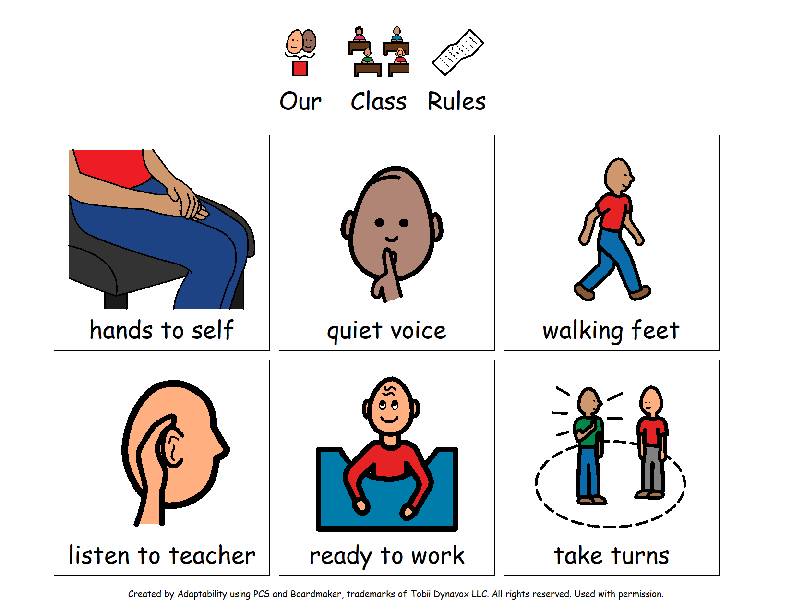
  8. Classroom expectation posters (preferably laminated separately with magnets so you can have them on the white board and grab one to reinforce instructions when needed, i.e. "hands to ourselves") 
 

 Set up:

  • Students should sit on the rug around the gathering drum and may play as soon as they do so.  You can also encourage them to feel the soft rug.
  • Be mindful of what is within students' reach if they leave the circle.  For example, I cover my piano with its soft case and place stacked chairs around a large floor xylophone.
  • Be mindful of how all the senses in your classroom can affect students: loudness of instruments, smell, brightness of lights, and even temperature. 
  • If students are not wearing name tags, use either a roster or ask the teacher/paraprofessionals for their names to write them on the board. 

Gathering Drum 

Some students will likely start patting on the drum, other may try to lift it, and others may try to sit or stand on top of it.  It's important to let go of expectations that students will follow all instructions just by telling them to stop.  Instead, do not show any signs of disapproval, demonstrate how to tap on the drum using fingertips and gently ask them if they can do that too.  If you notice a student playing a pattern, acknowledge it non-verbally by echoing it back to them!

Class Greeting 

A class greeting with an instrument helps establish music time.  Sing "Time for music" with a doorbell "ding-dong" (sol-mi, sol mi) melody with the instrument, then again a capella (with no background music) while tapping on the drum. Encourage students to echo that rhythm on the gathering drum.

Hello Song  

Have students tap along for a "Hello" song of your choice.  My suggestion is: "We've Been Waiting for You" which can be sung a capella and include everyone's name.


Interactive Song 
 
Engage students with a song they probably know: if you are able to find out a song from their regular repertoire that you can lead, great!  If not, try “If You’re Happy and You Know It."  For this song, I include clap your hands, stomp your feet, and nod your head.  If you cannot play this on an instrument, don't worry!  Your voice is enough and you can always play a recording instead.  This can get the students up /moving and and enjoying the familiar group song.


Song with an Instrument 

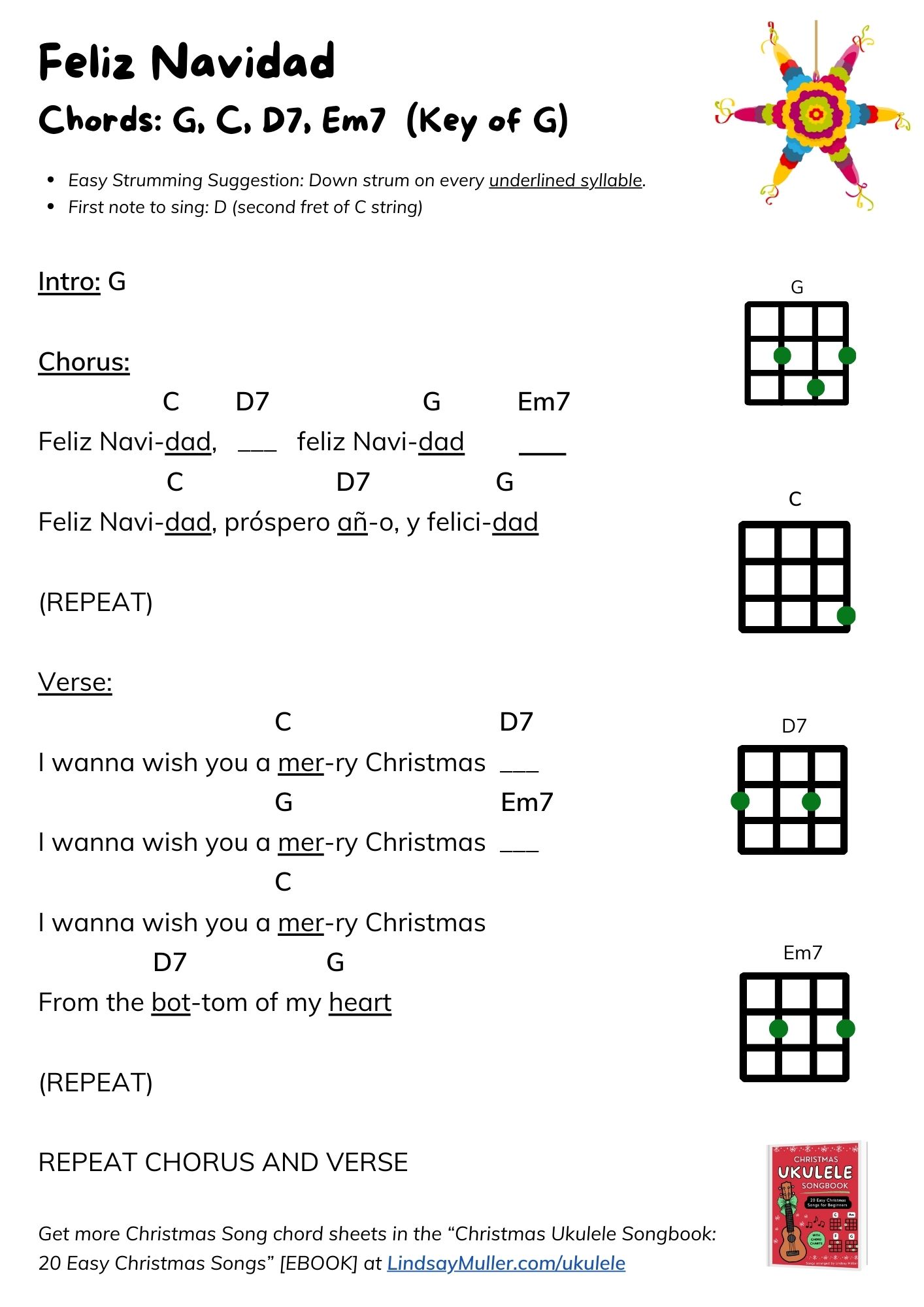
Put away the gathering drum and offer students a small instrument (such as a tambourine) or scarf for the next activity.  You can transition this with another song that is appropriate for the season / cultural connections.  Since we are in December, I used "Feliz Navidad" and simply played/sang the song while encouraging students to follow the steady beat with those instruments.  Amazingly, my most rambunctious student relaxed into their paraprofessional's arms when I started the song. 😊


Listen and Move  

Students will be invited to stand and hold on to their instrument for "Listen and Move" by Greg and Steve.  Don't worry if some students don't participate fully and focus on positive reinforcement when they demonstrate a skill such as responding to a changing tempo, however that may be.  Some students will leave the instrument behind as they move and this is when you can begin collecting them.

Music Movie Time
 
Ask students to return to the rug to watch a cartoon about music and collect any remaining instruments.  I've been showing my students short segments (1-4 minutes) of "The Four Seasons" by Boston Baroque and offering them small stuffed animals to move along to the music.


Goodbye Song 
 
You can sing "Music Time is Over" in the same ding-dong (sol mi) melody you used at the beginning of class or another goodbye song of your choice.   Invite students to "say bye bye" (wave / hug) their stuffed animal before they are collected.
 
Here is an example of a "goodbye" song:


During the goodbye song, you can distribute hand sanitizer to students and other teachers present.  Finally, encourage the class to give themselves an applause for doing so well in Music Class.

____________________________________________________
Did you try some or all of this lesson plan?  Let us know how it went!


Labels: , , , , , , , , , , , , , , , ,

Wednesday, November 12, 2025

Un lesson plan para preschool music class

Clase de música para preescolar  


I've been fortunate to have been able to learn a lot about leading a music class for preschoolers in the last year or so and I'm excited to share a lesson plan that you can try today as a substitute or with your regular preschool group.


Things to keep in mind:

  • Always be mindful of basic needs- if kids are hungry, sleepy, tired, sick, etc.  they may not be compelled to participate if your lesson involves a lot of controlled participation or needs their attention for longer than a couple of minutes.


  • Even if you're a musician, you're not there to teach music per se- you are there to guide music exploration and model social skills through play and community interaction 
 

  • Be flexible and attentive to student / parent choices and preferences, and find ways to prompt and encourage their creativity and imagination


30-minute Preschool Music Class Lesson Plan

  1.  Set up a table with instruments or separate them into various spaces around the room as space permits, and invite students/parents to choose one instrument and join you in the circle.  This can be sitting on the floor if there is carpet or it can be a semi circle using chairs. 

     
  2. Sing and play your hello song with an instrument of your choice, and encourage everyone to play along.  This can be as simple as a made up song using the tune of "Are You Sleeping" for example.
  3. Invite students to come up one by one (or line up) to take turns playing your instrument (i.e., a guitar or ukulele) while you sing the hello song using their name.   
  4. Share a short story related to the main song you will be showing them.  For this lesson plan, I share "Jump, Frog Jump" which is also available in audio form, and both the physical copy and the audio copy are available for free through my local library.  This one is five minutes long, very repetitive to keep kids' attention, and prompts them to answer with the title of the book every few seconds. 

  5. Switch to a melodic instrument if possible to teach the main song.  I used a glockenspiel to teach "Jump Little Frog" which is the English Language version of a Malaysian/Indonesian song called "Lompat Si Katak Lompat."  I sing it in English and Spanish and use a stuffed frog animal to "jump" during the pause. The video below is a longer version of the song that demonstrates the main melody. 

  6. Invite students to play their instrument whenever the frog jumps.  Demonstrate this first with an instrument.
  7. Invite students to turn into the frogs and jump themselves when the song calls for it.
  8. Repeat the song once or twice depending on how participation is going.  Some students will become interested after they see others trying it and enjoying it so don't be afraid to repeat a couple more times.
  9. Distribute colorful scarves and demonstrate moving to a slow tempo or a fast/faster tempo.  Play 20-40 seconds of 3-5 songs to get them moving and dancing to the steady beat.  Some may prefer to play along with instruments or want to borrow your frog plushie instead. 

  10. Play "The Colors Are Gliding" to get students to slow down and practice folding the scarf before putting it away/ returning it to you. 

  11. Finish the lesson with a goodbye song of your choice. If you don't have one, you can make one up using a familiar tune or the same tune of your hello song.


Read more »

Labels: , , , , , , , , , , , ,