Supporting Our Most Vulnerable Students
Hope and Healing
in the Music Room
What can we as music educators do to help uplift our immigrant students of all backgrounds who currently feel constantly terrorized, rejected, and are even bullied by peers and other community members? Music in our classrooms can bring joy and healing, encourage learning, inspire, entertain/distract, help create beautiful memories, and allow our students to express themselves and understand how art can help us survive and thrive. If you feel overwhelmed, take some deep breaths, let it out with a song or dance and know you can do this! ¡Sí se puede!
- Know your school policies and communicate to students (even if indirectly, such as when going over your regular class agreements) that you take safety very seriously and it's in fact your first priority when they are in your classroom.
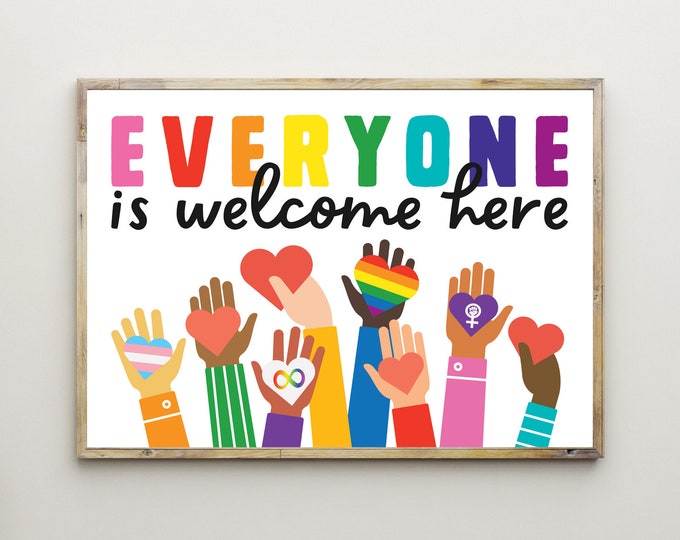
- Put up some sort of visual element welcoming all students such as a poster to help establish your classroom as a space where students can feel a sense of belonging and protection.
- Do an emotional check-in with students (such as a thumbs up/down/sideways) and continue to be mindful of their potential basic needs (water, food, temperature of room, movement / space, etc.) every time you have music class.
- Ensure your curriculum is culturally responsive and takes moments to discuss social justice values (such as the SPLC's Social Justice Standards). This is the area where we can empower our students with stories of other people who are like them that discovered the priceless value of their cultural identity (i.e. Finding the Music or I Am Golden) or who have helped make the world better (Change Sings, Drum Dream Girl, The Girl Who Heard the Music). We can help give students not only hope for the future, but the self-esteem they need to be the hope for our future.
- Take time to review trauma informed practices, such as minding the tone of our voice, to help make your classroom an extra safe and brave space.

- Carry "red cards" with you if you (49 languages available), especially if you interact with parents often. You never know when you might run into someone that needs to know their rights.

- Make sure you care for yourself! Yes it's important to stay informed, but if you are not hydrated, getting your nutrients/electrolytes, actually resting (not just sleeping), taking sick days and going to the doctor when you need it, and doing things that give you joy and boost your morale, I would like to respectfully remind you to prioritize these to ensure your best self is in the classroom more often.

Labels: bilingual, culturally responsive, music class, online tools, resources, SEL, social emotional learning, trauma informed
posted by Ms. Cosquilla @ June 09, 2025
0 Comments


